November 14, 2026
Professional Commercial Building Pressure Cleaning Tips
By @martinxlpj275
Effective commercial building pressure cleaning starts with choosing the right method, not the highest pressure. For Shellharbour businesses, coastal salt, windblown debris, algae and everyday traffic can leave buildings looking tired and make outdoor surfaces slippery. A planned approach to commercial exterior cleaning helps protect finishes, improve presentation and reduce disruption to staff and customers.
Inspect the Property Before Choosing a Cleaning Method
Before booking commercial pressure washing, inspect the building’s surfaces, drainage and access points. Look for cracked render, loose paint, damaged mortar, deteriorated sealants and exposed electrical fittings. Photograph existing damage and identify areas where water could enter the building.
Shellharbour’s coastal conditions make this especially important around metal fixtures and weathered coatings. Salt deposits need removal, but aggressive building facade pressure washing can damage protective finishes and force moisture behind cladding.
Match Pressure to the Material
Good commercial pressure cleaning solutions account for surface condition, nozzle selection, water flow, cleaning products and working distance. Always test an inconspicuous area first.
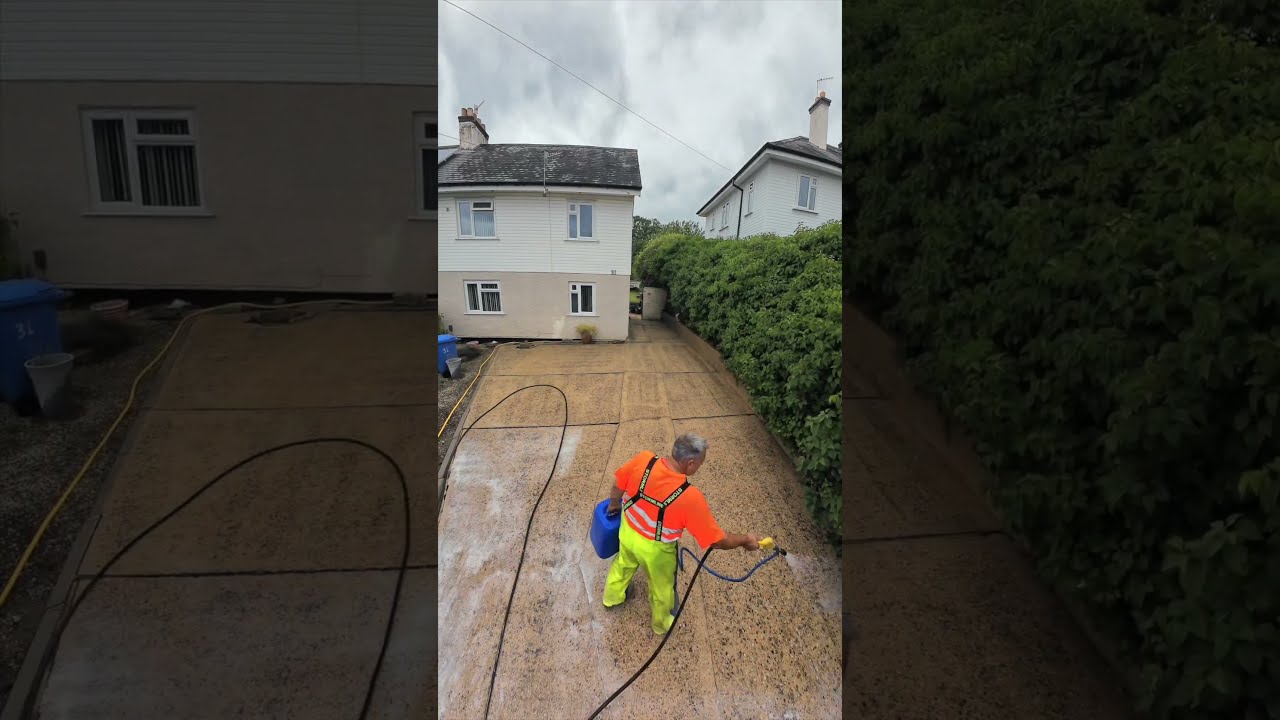
- Concrete: A suitable surface cleaner can provide more consistent results across commercial driveway cleaning areas. Check for weak concrete, coatings and vulnerable joints first.
- Brick and render: Building facade cleaning often requires reduced pressure and appropriate detergents. As with brick house cleaning, avoid blasting mortar joints or damaged finishes.
- Asphalt: Asphalt driveway cleaning needs restraint. Aggressive asphalt pressure washing can dislodge aggregate or damage the binder, particularly on deteriorated surfaces.
- Painted surfaces and cladding: Use a manufacturer-compatible, low-pressure approach for commercial facade cleaning rather than assuming every surface tolerates high pressure.
Control Runoff Before Cleaning Begins
Wastewater management is a key part of responsible commercial property cleaning. Wash water can carry sediment, oil, paint particles, detergents and organic matter. In NSW, allowing polluted runoff into stormwater can breach environmental requirements; using a biodegradable detergent does not automatically make discharge acceptable.
Before commercial cleaning with pressure begins, locate drains and plan how wastewater will be contained and collected. Drain covers, temporary bunds and wet vacuum recovery may be appropriate. Arrange lawful disposal according to the contaminants involved, and check relevant requirements with Shellharbour City Council, the NSW EPA and the wastewater service provider where necessary.
Remove Algae and Biofilm Without Overstating Sanitation
Shaded entrances, damp loading areas and south-facing walls can develop algae and slippery surface growth. Effective biofilm pressure cleaning may require a compatible treatment, sufficient contact time and controlled rinsing rather than repeated high-pressure passes.
Terms such as antimicrobial pressure cleaning, bacteria elimination pressure cleaning and algae removal sanitation should not be treated as guarantees. Removing visible dirt does not establish that a surface is disinfected or sterile.

If commercial sanitation washing or chemical sanitation pressure cleaning is required, ask which product is used, what organisms it targets and whether the application follows its label directions. Keep safety data sheets available, protect nearby plants and never mix cleaning chemicals.
Keep Roof, Gutter and Solar Panel Work Separate
Roof and Gutter Cleaning
Commercial roof cleaning requires an assessment of roof condition, safe access and the manufacturer’s cleaning guidance. High pressure can damage coatings, dislodge tiles or drive water through overlaps. Suspected asbestos-containing materials must not be pressure cleaned.
For commercial gutter cleaning, remove debris before checking outlets and downpipes for flow. Clogged gutter cleaning should also identify loose brackets, corrosion and leaking joints. Aluminum gutter cleaning requires compatible products and careful handling to avoid damaging thin metal or finishes.
When comparing affordable gutter cleaning or advanced roof cleaning services, confirm that roof access, fall protection, debris removal and wastewater controls are included. Advertising phrases such as “certified roof cleaning” should be supported by an explanation of the actual qualification or accreditation.
Solar Panel Cleaning
Commercial solar panel cleaning should follow the panel manufacturer’s instructions and electrical safety requirements. Bird dropping removal solar panels work needs particular care around glass, seals, wiring and mounting hardware. Do not assume pressure washing is suitable.
To clean solar panels safely, use an appropriate specialist where access or electrical hazards exist. If a provider advertises certified solar panel cleaning, ask who issues the certification and what it covers.
Plan Around Customers, Staff and Deliveries
Schedule business pressure washing during quieter periods https://pressurecleaningshellharbour.com.au/sanitation-cleaning/ and clean in stages where entrances must remain available. Establish exclusion zones, manage hoses to prevent trips and keep pedestrians away from spray, chemicals and wet surfaces.
Commercial property pressure washing near public footpaths may need additional permissions or traffic management. Check access arrangements before work starts, particularly around busy retail premises, hospitality venues and shared commercial complexes.
Use Specialist Methods for Courts and Decks
Properties with recreation areas need more than a general commercial power washing approach. Acrylic tennis court cleaning requires attention to coating condition, approved products and controlled pressure. Clay tennis court cleaning uses different maintenance methods and should not be treated like concrete cleaning.
For affordable tennis court cleaning, request a surface-specific scope rather than the cheapest generic wash. Clean tennis courts also depend on drainage, vegetation control and routine debris removal.
Similarly, backyard deck cleaning techniques do not automatically suit a commercial timber deck. Excessive pressure can raise timber fibres and strip coatings. A clean deck should be achieved without compromising the surface or creating additional slip hazards.
Compare Quotes on Scope, Not Just Price
Affordable pressure washing offers value when it includes the right preparation, equipment and environmental controls. Residential prices for affordable house washing are not a reliable guide to commercial work, which may involve larger access areas, public safety controls and wastewater recovery.
- Request a written scope identifying surfaces, cleaning methods, exclusions and expected results.
- Check public liability insurance and relevant training. If someone claims to be a certified pressure cleaning specialist, ask what that certification demonstrates.
- Confirm responsibility for water access, runoff collection, pedestrian barriers and protecting electrical equipment.
- Ask whether stain treatment, gutter debris disposal and post-cleaning inspection are included.
- Agree on a maintenance schedule based on actual exposure, foot traffic and surface condition.
Maintain Results Between Professional Visits
Sweep entrances regularly, address spills promptly and keep drainage paths clear. Inspect shaded walkways for returning algae and check gutters after storms or heavy leaf fall. A clean driveway and clean gutters support presentation and drainage, but recurring staining or overflow may indicate an underlying maintenance problem.

For Shellharbour properties, the best commercial pressure cleaning program combines regular inspections with targeted treatment. Use the least aggressive effective method, protect surrounding areas and choose a provider who explains how each surface will be cleaned safely.
Shellharbour Pressure Cleaning Pros
Shellharbour Rd, Warilla NSW 2528, Australia
(02) 4210 5306
❧